Some of my fondest memories of New York are punctuated by podcasts. During my first visit to the city I stayed with a friend somewhere in the center of Brooklyn, near Prospect Park. Her back window faced a personal storage unit, while the front framed a carwash next to a key intersection. It was hard to drift off alongside car horns, the glow from the storage unit’s fluorescent sign. I listened to podcasts to drown out the noise; shows like 99% Invisible and Death, Sex & Money looping endlessly until the sun finally rose and I could venture out for the day.
It was summer. The heat was intense. Sometimes I rode the train back to her apartment just to wash my face. My trendy sneakers encased swollen feet beat up by the long days walking around the city, odysseys punctuated by episodes of Slow Burn, In The Dark, and Heavyweight that ended at two, three, four in the morning with a reluctant cab and a quiet exhale. Still unable to sleep, I’d lie atop the covers playing endless queues of Short Cuts or Philosophize This! as my body cooled.
New York is one of the most sonically beautiful cities I’ve ever spent time in. Even now, my memory follows the subway lines as they thread the map, listening for the sounds of people heading home from work. These were pre-pandemic days, and I was far too young to resist asking people what they were listening to on their wired headphones while we waited in queues to buy cold brew. They’d say Serial or Reply All or Pod Save America, and I’d reply with Dear Sugars and Mystery Show.
I often wonder what the first people to read The Great Gatsby thought of the novel back in 1925. Did they know they had just read a great classic — or was it just another novel about New Yorkers?
We didn't know 2015-20 would be a golden age of audio at the time. Not really. We thought podcasts were just like that. Well-crafted. Sensual. The product of an artist's full creative process, start to finish. They rarely had animation, never mind video. We were surrounded by shows regarded today as trailblazers and, for the most part, took it for granted.
Now, listeners are spoiled for choice, and what will become this era's canon is still to be decided.
Still seeking audio-only in our video age is Davy Gardner, Head of Podcasts at Tribeca Festival. Tribeca has moved at the opposite pace from the rest of the industry: since 2021, the prestigious film festival has opened its slate to include audio-first and audio-only productions in its Official Selections, accompanied by an impressive slate of live events. Could our new canon be among these shows?
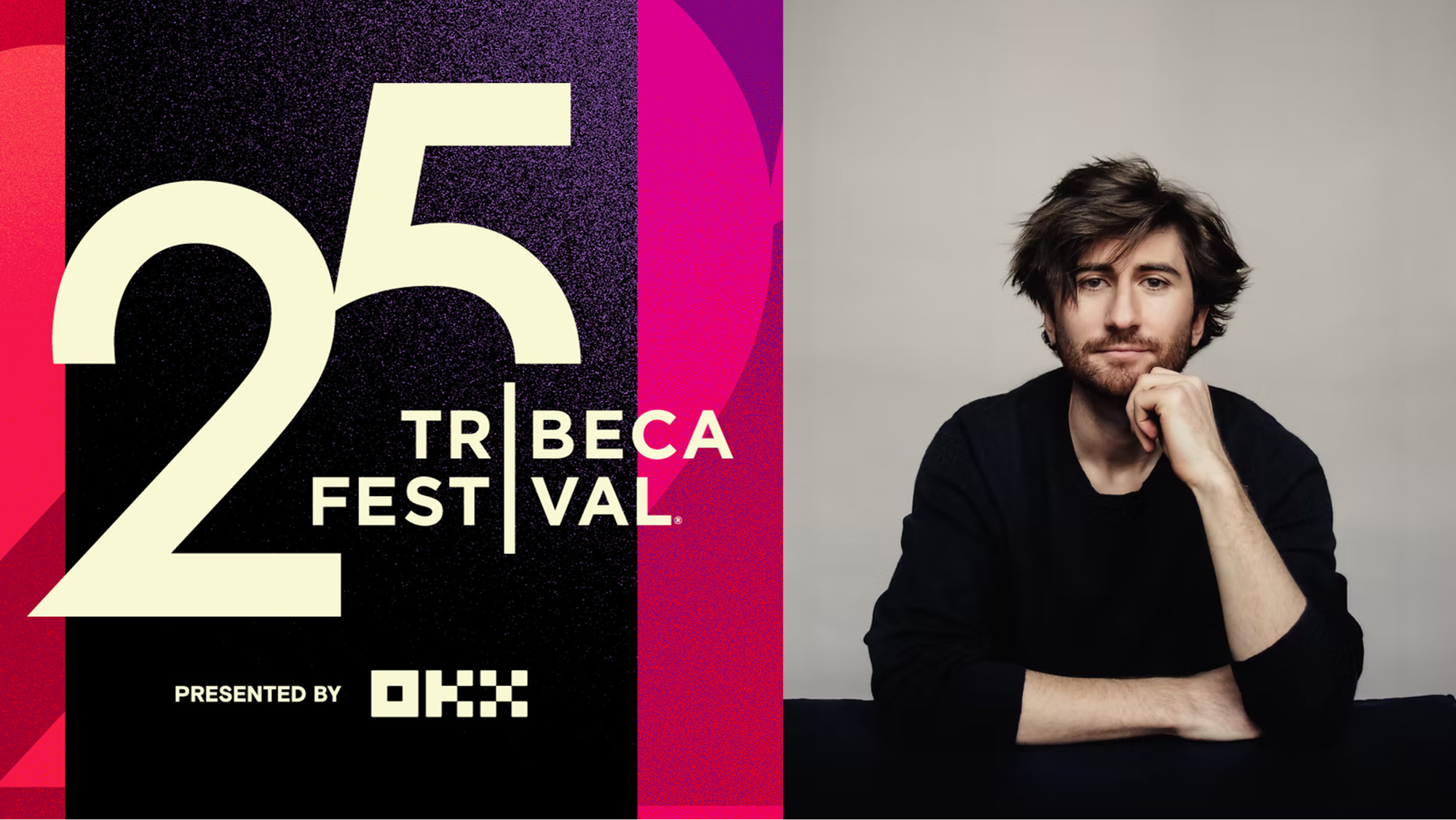
“I look for experience-focused podcasts — shows that make you feel something, more than they try to tell you something,” Gardner explains to me one bright morning, a week before the 25th Tribeca Festival opens across several iconic Manhattan venues.
Not only will the Festival showcase over a hundred feature films and shorts, Tribeca is also presenting sixteen audio premieres (aka. podcasts). To be considered, the content must be fresh. Some projects don’t even have a network yet. These premieres, alongside a Showcase of existing shows like Articles of Interest and The Loop, focus on narrative storytelling and experimental audio. In a previous interview with Vanity Fair, Gardner distinguished between “audio storytelling,” the term Tribeca prefers, and “podcast,” which he believes will conjure an interview-style show like The Joe Rogan Experience in the mind of the audience. While I can’t help wondering if this is a capitulation, I see the sense: audio storytelling opens the scope, allowing closed minds to entertain experimental formats. And there is something defiant about seeking audio-only projects these days.
Tribeca’s audio selection emphasizes two things that are important in narrative audio: private listening as a form of intimate companionship, and storytelling as self-expression. “We have a lot of shows where the host is delving into a relationship or a chapter of their family’s past," Gardner explains. "There’s something about that kind of ownership of a story that makes the host so close to the material, and the window into the story is just incredible.”
Personal connection is a clear thread in this year's slate. In shows like My Brother David and Cultivate Being, many creators are grappling with ghosts. The intimacy harkens back to the days of Serial and Dolly Parton's America; a host is never just a journalist, they are stakeholders in the story and a participants in the relationship with the listener.
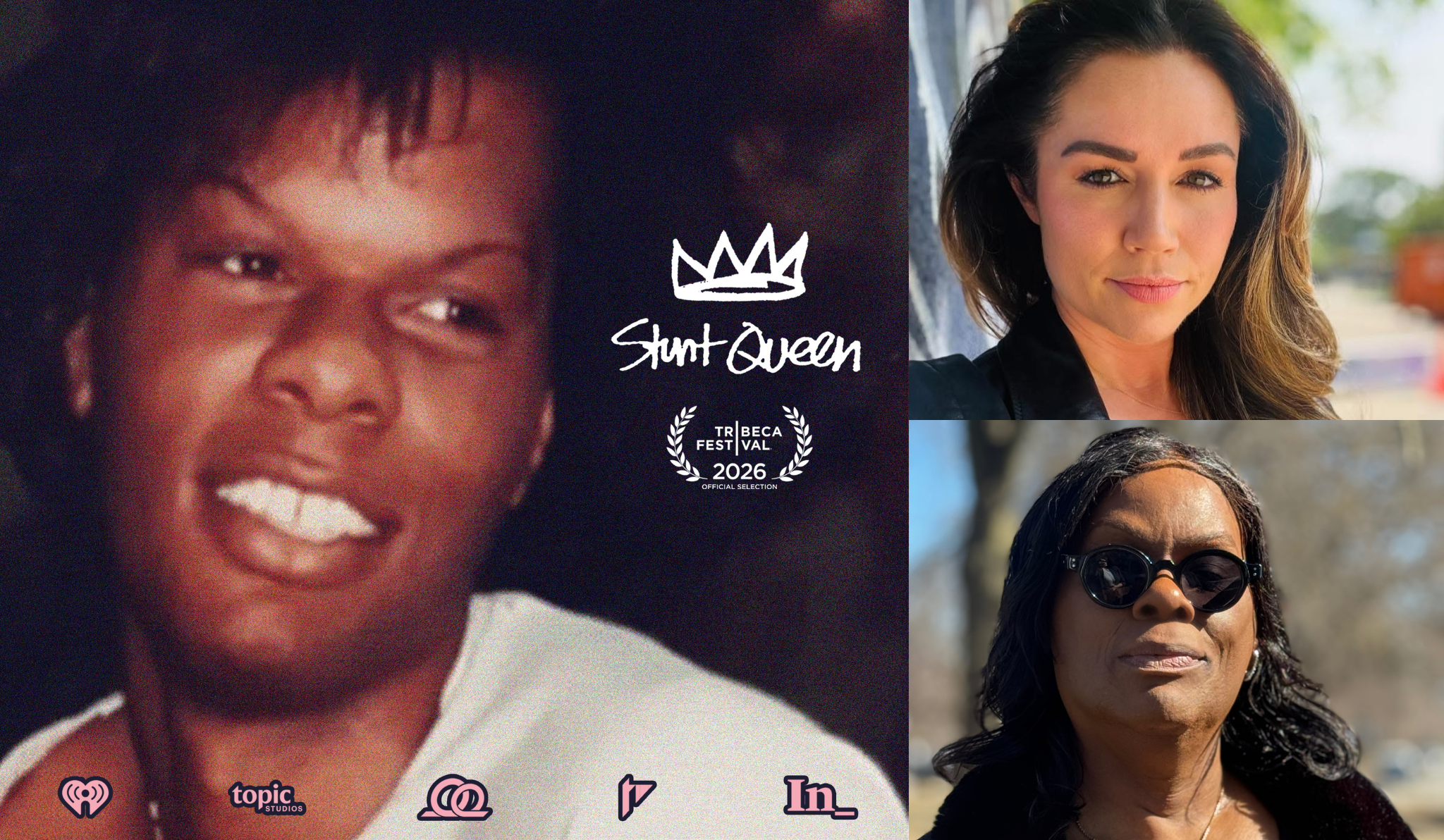
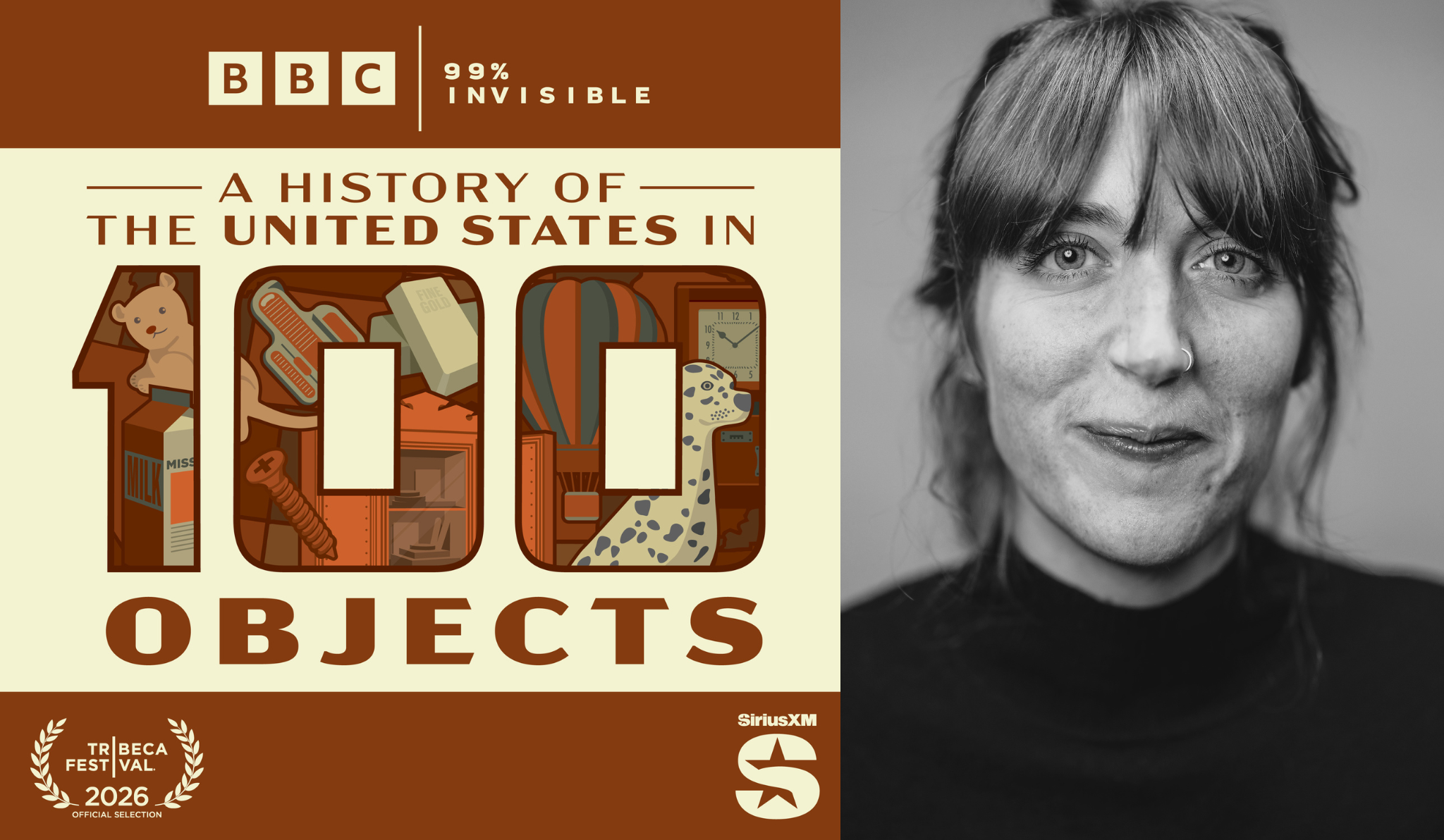
Other podcast premieres include Stunt Queen, about the life of Dee Farmer, a brilliant legal mind who has spent most of her life incarcerated among men, and A History of the United States in 100 Objects from the BBC and 99% Invisible, a clear nod to the 250th anniversary of the USA.
When curating this Selection, Gardner looked for a meaningful structure that mirrors the content being explored. “Something inventive,” he tells me, “with a voice I haven’t heard yet — that brings people along for a ride and is a genuine discovery for them.”
Something that all my favorite canonical podcasts have in common is format suitability; the content feels aligned with the way it's being presented. There is also a strong sense of intimacy and empathy. As Gardner, who is also a writer, points out, “You can often tell why something was made — whether it was because someone had to make it [for commercial purposes] or because they genuinely needed to.”
I asked Gardner, rather reflexively, if he seeks “cinematic” audio. Tribeca is primarily a film festival, after all. But he pushed back on the term. "I think for a long time, “cinematic audio” has been shorthand for naturalistic, highly crafted audio. But I think that can be a slightly limiting way to describe it. I'd actually call it a sensory medium… Truly wonderful audio is when I look back as a listener and I remember how it made me feel."
It all sounds heavenly, in theory. But as Gardner acknowledges, selecting for meaningful story structure is not the same as selecting for distribution. Most podcasts structure themselves around at least one mid-roll ad placement, with a run time optimized for their demographic’s tastes. Episode titles and transcripts are also enhanced for discovery, since many platforms use transcripts, rather than audio, in their search functions. So, when a podcast breaks out of these norms, how do listeners find it?
Megan Nadolski, whose podcast Who Blew Up the Guidestones? is part of Tribeca's official Showcase List this year, highlighted the discovery problem, "It's rare to find an even playing field where independent audio work can be critiqued solely for its craft.” She also sees an obvious solution. “Tribeca not only made an even playing field for podcasts, but year after year, it guards against the entropy of bad industry practices to bring us the best of what audio craftsmen around the world have to offer."
But even if the listeners find the show, will the sponsors follow? One of the most memorable premieres from last year’s Selection was legendary podcast Love + Radio’s latest series, ‘Blood Memory,’ which was a departure in both form and subject matter for creator Nick van der Kolk. Despite wide acclaim for the innovative structure, the series struggled to attract commercial interest.
This, at least to my eyes, is the problem facing today's candidates for the podcast canon. If most experimental audio projects are financially unviable, even with thousands of listeners, how will they ever be sustainable?
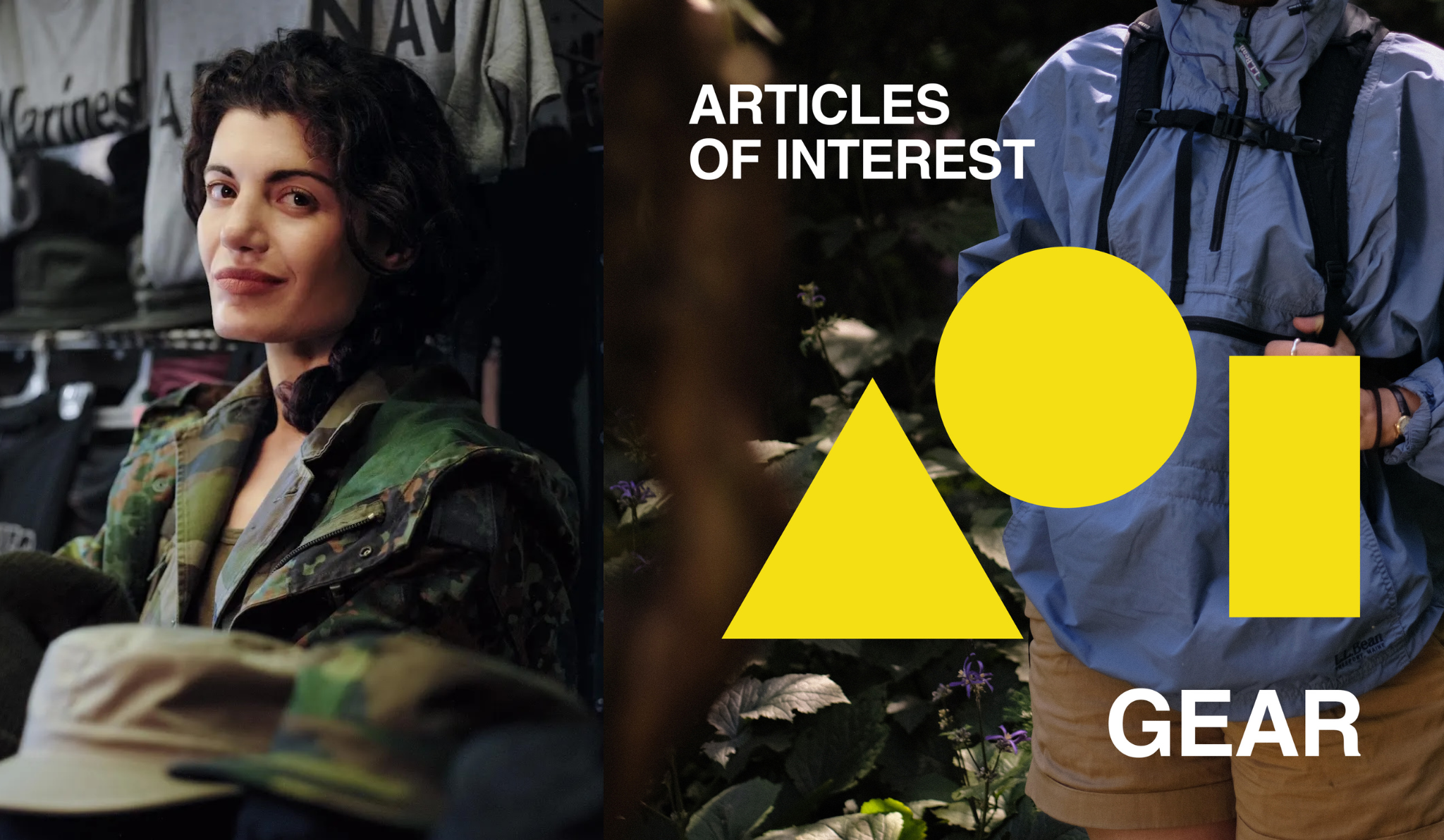
But despite my pessimism on the financial landscape, listening to this year’s Showcase List, ahead of the Festival launch on June 3, makes me hopeful. ‘Gear,’ the latest season of Avery Trufelman’s Articles of Interest, is featured under the track “Texture.” There are four tracks in total: timbre, tone, texture, and tempo. These categories are designed to provoke curiosity in the listener; to have them looking for an audio element they may not have considered otherwise.
"A festival is a place to discover things, as is podcast journalism,” Gardner says kindly. “Anything that can help people find their podcast is really helpful — it's just such an oversaturated landscape." He doesn’t dislike interview or video podcasts — and to be clear, neither do we. But it’s clear that Tribeca is seeking to define itself as something that exists outside of the commercial ecosystem, inviting interviewer hosts because they are inherently interesting and the best in their field, rather than merely popular. Many of the shows I consider staples in a healthy podcast diet, like Cannonball, The New Yorker Radio Hour, Death, Sex & Money, and Radiolab will perform a live taping. These events are publicly ticketed, usually $30 or less. If you live in New York, you could easily drop in with a bit of notice. It’s amusing to imagine a cinephile wandering into an audio-only showing. Would it feel like a sensory deprivation tank — or open up their world to something entirely new?
“I’ve attended Tribeca for the last 3 years, as a guest first and then as the host of events," Talia Augustidis, the host of UnReality (a 2023 Official Selection), explains, "I love it; I’ve made friends, I’ve seen incredible shows and I’ve got jobs as a direct result of being there. Tribeca is a recognized name that brings a credibility to audio storytelling, but it’s also curated by people who really care."
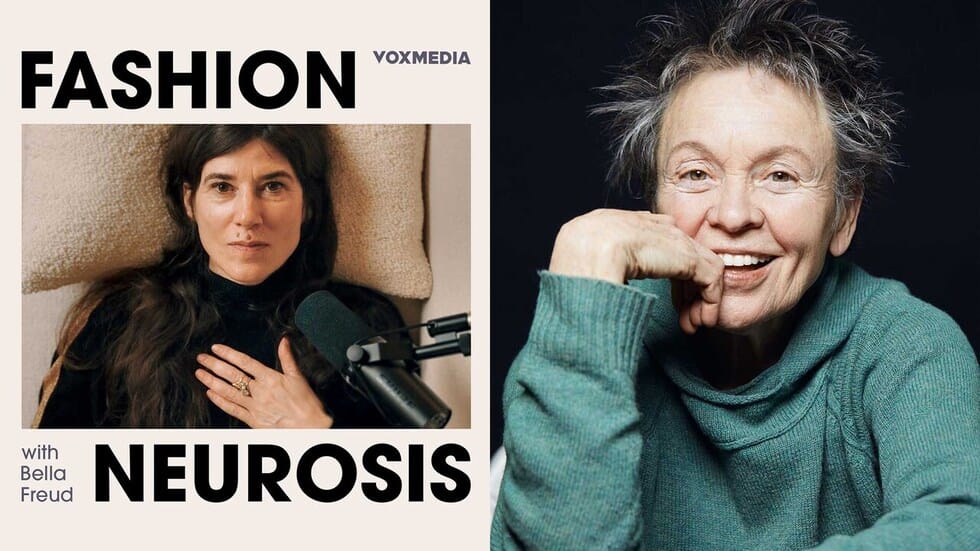
For fans of these interview podcasts, the in-person experience of a live Tribeca event brings an experimental dimension to an otherwise predictable format. Bella Freud’s hit show, Fashion Neurosis, will involve a psychologist’s chair in the staging, occupied by legendary multimedia artist Laurie Anderson.
"I remember when we did [a live recording of] Modern Love with Kim Cattrall," Gardner recalls, when I ask about turning interview podcasts into interesting live formats, "Anna [Sale] looked out at the audience and said to me, 'Wow, I can't believe I'm looking at my listeners.' For so many podcasters, you drop something in the feed and it goes into some void somewhere."
Is that what podcasting feels like these days — a void? As I write this, a task force is assembling to define the word “podcast,” as the term has become so diffuse as to render it impossible to measure. It’s a consumer thing, people say. If the audience calls it a podcast, then it’s a podcast.
Maybe that’s true. I rarely wander cities these days. Fewer of us commute. Everything seems so ghastly that we don’t know where to look anymore, so we look at screens. It feels like the whole industry needs a shake-up: a reinvestment from audio fans, and a reminder to audio-makers that their work doesn't just disappear into a void. Some of us have forgotten our ears can measure better than any other tool.
That's a lesson any audiophile can take away from Tribeca.
If you're interested in experiencing Tribeca Festival, but you don't live in New York, these are your options: before the Festival begins, you can enjoy their full Showcase List of exciting shows like Babalu, Grim Death, Proxy, A Whole Other Country, and many more. I daresay there are a few candidates for the canon in there.
Then, after their world premieres at Tribeca, you can enjoy the Official Selections. We will be covering some of the Live Events here, so subscribe to our Instagram and X accounts to stay up to date, and we'll include links to recordings where possible.
Thank you to Davy Gardner for speaking to me about what he looks for in a podcast.