In a small town, under the glowing lights of Medieval-themed "Joust Joint," Gabe pulls into the same drive-thru window every night. On each visit, the same voice is waiting for him on the other end of the intercom. Over time, Louie becomes a friend to Gabe – and maybe something more. In Drive Thru Magic, the new scripted fiction podcast from Briggon Snow and Atypical Artists, love can be found in the most unexpected places.
Drive Thru Magic has a distinctive format: Gabe and Louie's story is told in mini-episodes of just five to eight minutes each. It's short-form content, yes – but the project has a slow-burn soul. The quiet intensity of the performances quickly pulls you into the kitschy microcosm of Joust Joint, with its themed menu options and notable lack of bustling trade. Under the neon lights, Louie draws a reluctant Gabe out of his shell.
The series is self-described "incredibly personal project" for Snow, whom I had the pleasure of chatting to about the show back in September. “I’d been working on different iterations of [Drive Thru Magic] for a couple of years, setting it down because it felt too close at times,” he told me. Gabe is an avatar for Snow's own relationship with his grandmother, and a lot of the anecdotes he shares in the show are, he says, “literally from my life” with her. It sat unfinished until his friend Lauren Shippen, who created The Bright Sessions, told him he had to get it done so she could executive produce it.
Snow knew he wanted the story to run as bite-sized segments before he knew how many episodes it would take to tell the story — “it just revealed itself as I went” — and he’d already fallen for the format on a previous project. “I love the challenge of it: you’ve got five to eight pages, maybe ten, to get an episode done. How do you get in, how do you get out, and how do you make people want to come back for the next one?” Three episodes a week, rather than one, felt like the only sane way to release it. “Dropping one a week would have had us airing this show for a year.”
What struck me most after binging Drive Thru Magic is how placeless it feels — there’s no specific decade or city you can pin it to, the same way you can’t quite locate A Little Life in time. Snow confirmed that was deliberate. “I like to think about what I haven’t heard in audio,” he said, and the drive-thru gave him a real-world excuse for an intimate, voice-only conceit that could have felt gimmicky anywhere else: the listener sits in the car, a fly on the wall, moving between the joint and the front seat. “We go through drive-thrus all the time, so it felt lived-in.” He didn’t want to specify where or when the show takes place, either. “Audio is like a book that way — the listener does the production design. The less of those details you don’t strictly need, the more it becomes this neat, contained space.”
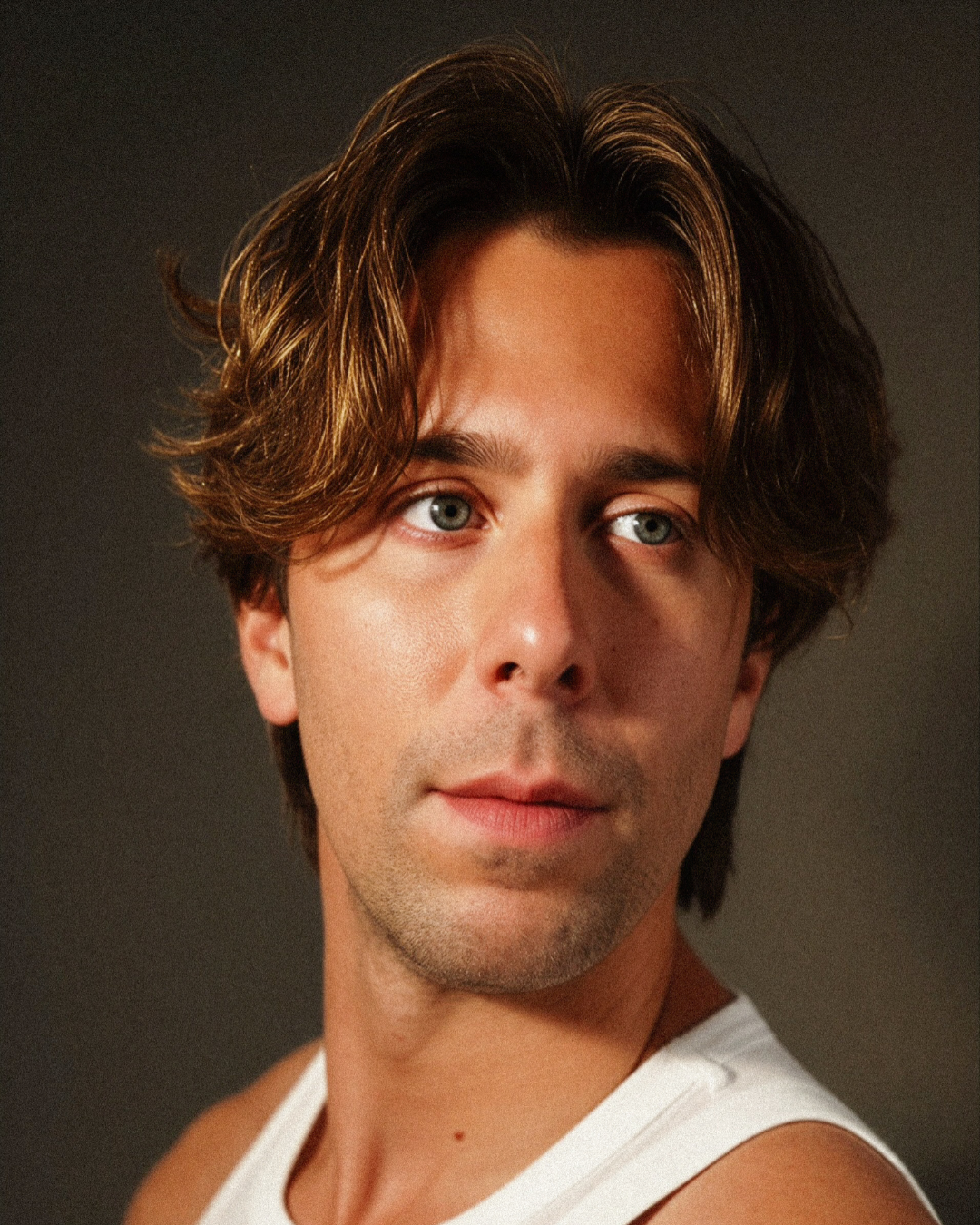
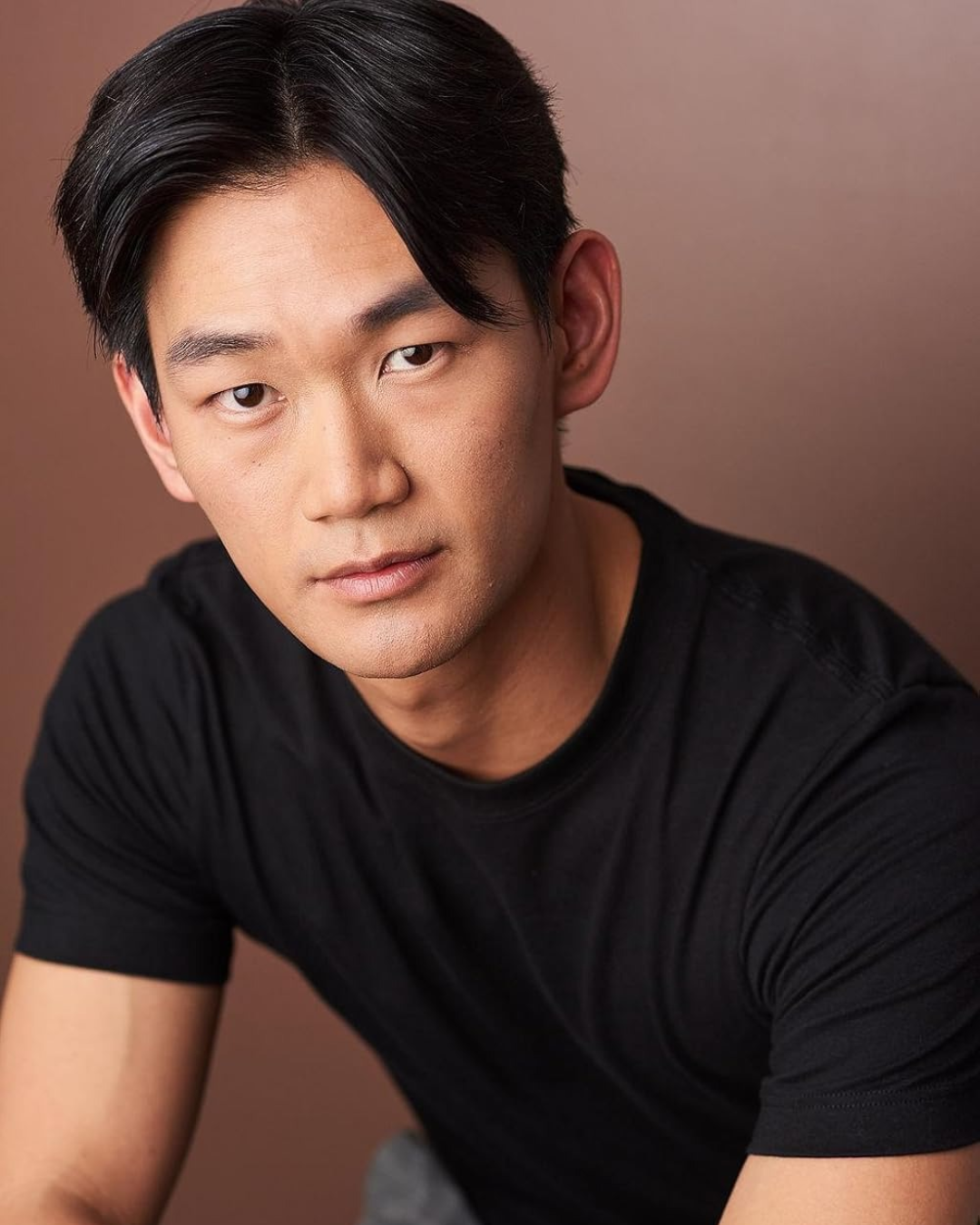
(L-R) Briggon Snow plays Gabe, Daniel J. Kim plays Louie
Even the fast food restaurant itself, Joust Joint, came out of that same instinct for something authentically small town. “Growing up, my grandmother and mother took my brother and me to a thousand fast food places, and there’s something comforting and nostalgic about that,” he said, “but I also yearn for the kitschy, gimmicky places — everything now is so sleek and homogenized.” He built out a full menu before he’d written a word of the script, just for the fun of it, so that by the time he sat down to write, he already knew exactly what Gabe would order.
Drive Thru Magic also arrives in the middle of a real conversation about where queer storytelling is headed in the wake of Heated Rivalry. Snow sees it less as a sudden breakthrough than another high point in a cycle of peaks and valleys; gay leads were confined to art house and direct-to-DVD when he was growing up, then slowly moved to more mainstream television. What excites him about this moment is how much of it traces back to the BL wave out of Thailand, Korea and Japan, a lineage that runs through Young Royals and Heartstopper. What he wanted for Louie and Gabe, specifically, was a version of queerness that isn’t treated as something to fear, “just something new and worth being curious about.”
That instinct is also why the show leans so hard on dialogue rather than sound effects or action. “The whole conceit leans on connecting with someone through their voice alone, without seeing what they look like,” Snow said, and he believes you can see more about who someone is by how they speak than by how they carry themselves — so the first half of the series stays dialogue-forward, only easing into shared physical space in the closing act.
Snow is not done with the format, either. He already has an idea for what comes next: three gay audio romances, almost like a trilogy, hopefully out by this time next year. He’s been in audio since 2015, and despite a real pull-back in confidence from the bigger studios in fiction podcasting lately, he’s not going anywhere. “There’s so much value in this space,” he said, “not only as IP to upstream elsewhere.”
The resurgence of romance fiction can only be a good thing. As we all pine for depictions of true yearning, we are making space to fall back in love with vulnerability and desire – qualities rarely found in increasingly homogenized, AI spaces. Drive Thru Magic has broad appeal, and may prove to be this year's audio underdog.